
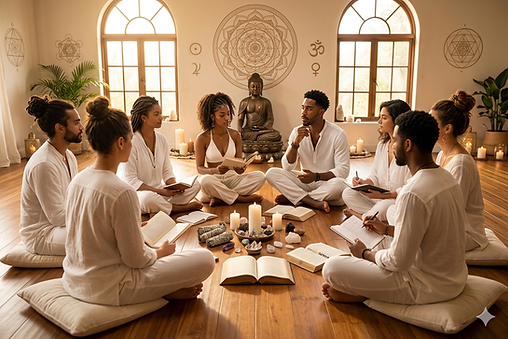
Mastering Kundalini: Techniques for Deep Healing

Kundalini yoga is not just a form of exercise; it is a powerful practice that can lead to profound healing and transformation. Many people are drawn to Kundalini for its ability to awaken energy, enhance self-awareness, and promote emotional and physical well-being. In this blog post, we will explore various techniques for mastering Kundalini and how they can facilitate deep healing in your life.

Understanding Kundalini Energy
Kundalini is often described as a dormant energy located at the base of the spine. When awakened, this energy travels up through the chakras, leading to heightened awareness and spiritual enlightenment. Understanding this energy is crucial for anyone looking to harness its potential for healing.
The Chakras and Their Role
The human body has seven main chakras, each corresponding to different aspects of our physical, emotional, and spiritual selves. Here’s a brief overview:
Root Chakra (Muladhara): Located at the base of the spine, it represents stability and security.
Sacral Chakra (Svadhisthana): Found in the lower abdomen, it relates to creativity and emotional balance.
Solar Plexus Chakra (Manipura): Located in the upper abdomen, it governs personal power and confidence.
Heart Chakra (Anahata): Situated in the center of the chest, it is the center of love and compassion.
Throat Chakra (Vishuddha): Found in the throat, it relates to communication and self-expression.
Third Eye Chakra (Ajna): Located between the eyebrows, it governs intuition and insight.
Crown Chakra (Sahasrara): At the top of the head, it connects us to higher consciousness.
Each chakra plays a vital role in our overall well-being. Blockages in these energy centers can lead to physical and emotional issues. Kundalini practices aim to clear these blockages, allowing energy to flow freely.
Techniques for Awakening Kundalini
Awakening Kundalini requires dedication and practice. Here are some effective techniques to help you on your journey:
Breathwork (Pranayama)
Breath is a powerful tool in Kundalini yoga. Pranayama techniques help to control the breath, which in turn influences the flow of energy in the body. Here are a few techniques to try:
Kapalabhati (Skull Shining Breath): This technique involves rapid, forceful exhalations followed by passive inhalations. It energizes the mind and clears the respiratory system.
Nadi Shodhana (Alternate Nostril Breathing): This practice balances the left and right hemispheres of the brain and calms the nervous system.
Asanas (Postures)
Kundalini yoga incorporates various postures that help to awaken and channel energy. Some key asanas include:
Cobra Pose (Bhujangasana): This pose opens the heart and stimulates the solar plexus chakra.
Child’s Pose (Balasana): A restorative pose that calms the mind and promotes relaxation.
Meditation
Meditation is central to Kundalini practice. It helps to quiet the mind and connect with the inner self. Here are a couple of meditation techniques:
Mantra Meditation: Repeating a mantra can help focus the mind and elevate your energy. Common mantras include “Sat Nam” (truth is my identity) and “Wahe Guru” (the ecstasy of the divine).
Guided Visualization: Visualizing the energy moving through the chakras can enhance the experience of awakening Kundalini.
Chanting (Kirtan)
Chanting is a powerful way to raise your vibration and connect with the divine. It can be done alone or in a group setting. The sound vibrations help to open the heart and clear energetic blockages.
Creating a Sacred Space for Practice
Having a dedicated space for your Kundalini practice can enhance your experience. Here are some tips for creating a sacred environment:
Choose a Quiet Location: Find a space where you can practice without interruptions.
Add Personal Touches: Incorporate items that inspire you, such as crystals, candles, or images of spiritual figures.
Maintain Cleanliness: A clean space promotes clarity and focus.
Overcoming Challenges in Kundalini Practice
As you embark on your Kundalini journey, you may encounter challenges. Here are some common obstacles and how to overcome them:
Emotional Release
Kundalini awakening can bring up suppressed emotions. It’s essential to allow yourself to feel and process these emotions rather than suppressing them. Journaling or talking to a trusted friend can help.
Physical Discomfort
Some practitioners may experience physical discomfort during practice. It’s important to listen to your body and modify poses as needed. Consider consulting with a yoga instructor if you’re unsure about proper alignment.
Fear of the Unknown
The journey of awakening Kundalini can be intimidating. Remember that it’s a personal journey, and it’s okay to take your time. Surround yourself with supportive individuals who understand the process.
Integrating Kundalini into Daily Life
Kundalini practices can extend beyond the mat. Here are some ways to integrate these teachings into your daily life:
Mindful Living
Practice mindfulness in your daily activities. Whether you’re eating, walking, or working, being present can enhance your awareness and connection to your inner self.
Healthy Lifestyle Choices
Adopt a balanced diet and engage in regular physical activity. Nourishing your body supports your Kundalini journey and overall well-being.
Community Engagement
Join a local Kundalini group or online community. Sharing experiences and learning from others can deepen your understanding and commitment to the practice.
The Benefits of Kundalini Healing
Engaging in Kundalini practices can lead to numerous benefits, including:
Increased Energy Levels: Awakening Kundalini can boost your vitality and enthusiasm for life.
Enhanced Creativity: Many practitioners report heightened creativity and inspiration.
Emotional Balance: Kundalini practices can help regulate emotions and promote a sense of calm.
Spiritual Growth: The journey can lead to profound spiritual insights and a deeper connection to the universe.
Final Thoughts
Mastering Kundalini is a journey of self-discovery and healing. By incorporating various techniques such as breathwork, meditation, and mindful living, you can unlock the transformative power of this ancient practice. Remember, the path to awakening is unique for everyone. Embrace your journey, and allow the energy of Kundalini to guide you toward deep healing and self-realization.
As you embark on this journey, consider setting aside time each day for your practice. Whether it’s a few minutes of meditation or a full yoga session, consistency is key. Allow the energy to flow, and trust the process. Your journey to mastering Kundalini is just beginning.

Comments